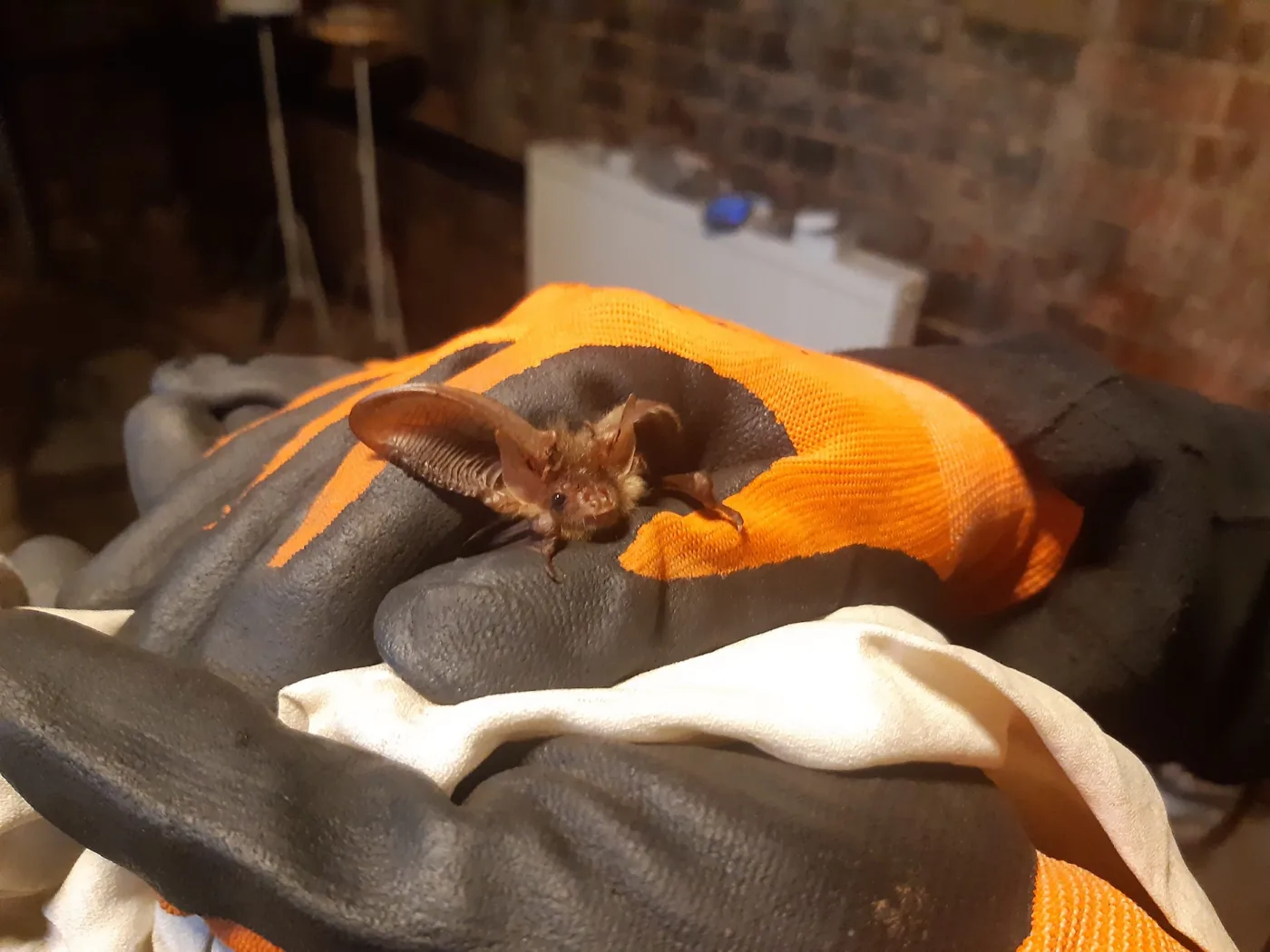

The council's work to keep rare lesser horseshoe bats in Cheltenham's old crematorium on Bouncer's Lane is highly commended in national ecology awards.
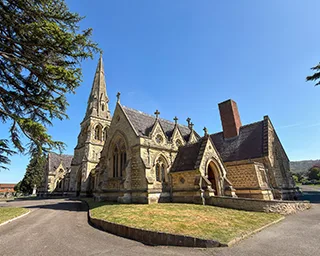
A project that kept a colony of rare lesser horseshoe bats in Cheltenham’s old Victorian crematorium on Bouncer’s Lane while the Grade II building was restored has been highly commended in national ecology awards.
Cheltenham Borough Council and the ecological consultancy RSK Biocensus were recognised by the Chartered Institute of Ecology and Environmental Management (CIEEM) in its annual awards, in the “best practice small-scale project design for mitigation, compensation and enhancement” category.
Overview
- Award: highly commended, CIEEM annual awards.
- Who: Cheltenham Borough Council and RSK Biocensus.
- Where: the former crematorium at Bouncer’s Lane, now The Old Chapel, a coffee shop and wake venue.
- The bats: lesser horseshoe, brown long-eared, common pipistrelle and whiskered bats.
- Now: bats are back in the roof, raising young there, and still using the cellar.
Bats moved out at night, then let back in
The building stood empty before the work, and a small colony of lesser horseshoe bats, which the council describes as one of the UK’s rarest bat species, had moved in. Brown long-eared bats, common pipistrelles and whiskered bats were using it too.
Ecological surveys carried out between 2022 and 2023 gave the evidence for a plan to protect the bats while the refurbishment went ahead. Staff worked through the night with specialist monitoring equipment, infrared cameras and what the council calls “old-school” walkie-talkies to coordinate the window movements, gently steering the bats away from work areas through one-way access points.
Old equipment was then removed and the building fully redeveloped, the council says at no harm to the bats. They came back as soon as new access points were opened, re-establishing their satellite roost. All of the work was carried out under licence.
‘Heritage and biodiversity can go hand in hand’
Councillor Steve Harvey, cabinet member for waste and recycling and parks, gardens and green open space, said: “We are delighted to see this work recognised at a national level. This project demonstrates that heritage conservation, biodiversity protection and future regeneration can go hand in hand. These bats have become an important part of the story of the old crematorium.”
A spokesperson for RSK Biocensus said: “This project was literally the ‘graveyard shift’ requiring many hours overnight; we were delighted to see this project unfold so smoothly in its peaceful surroundings. The lesser horseshoe bat is a curious and adaptable species that will thrive in the refurbished roof void that the council has provided and safeguarded.”
Roof and cellar kept for the bats
The old building now runs as a coffee shop and wake venue alongside a new crematorium and two chapels on the site.
Recent monitoring shows bats returning to the improved roosting space in the roof and raising young there, the council says. They have also kept using the cellar, which gives them shelter through the year, especially in winter and during heatwaves. Both areas are sealed off from the parts of the building open to the public.
Source: Cheltenham Borough Council.
Have your say